
Professional tree pruning is defined as the selective removal of specific branches to reduce wind resistance, eliminate structural failure points, and protect your home from storm damage during hurricane season. For homeowners in hurricane-prone areas like Charleston, Kiawah Island, and James Island, this is not optional maintenance. It is a direct line of defense between your property and a Category 1 or stronger storm. The industry term for this practice is structural pruning, and understanding how it works gives you a clear advantage when preparing for the Atlantic hurricane season, which runs June 1 through November 30.
How does professional tree pruning reduce hurricane damage risk?
Structural pruning reduces storm damage by addressing the two primary causes of tree failure in high winds: excessive wind load and weak branch attachments. When a tree’s canopy is too dense, it acts like a sail, catching wind rather than letting it pass through. Thinning dense canopies opens space within the crown so wind moves through instead of pushing against it, dramatically lowering the force applied to the trunk and root system.
Removing dead, diseased, and structurally compromised branches is equally critical. Dead wood does not flex under wind load. It snaps. A single large dead limb over your roof or vehicle can cause thousands of dollars in damage. Certified arborists from organizations like the International Society of Arboriculture (ISA) are trained to spot these failure points before a storm exposes them.
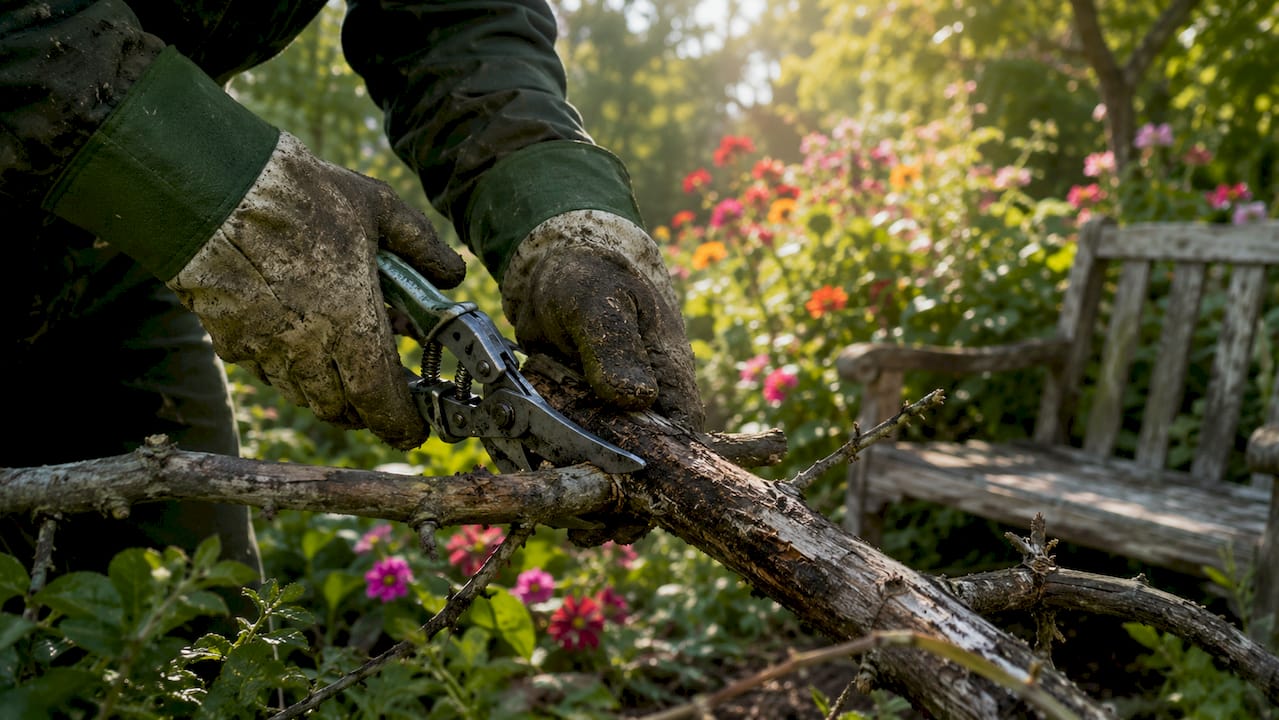
Reduction cuts are another tool in the structural pruning process. These cuts shorten long, heavy branches by cutting back to a lateral branch, redistributing weight closer to the trunk. Proper reduction cuts improve wind resistance compared to improper techniques that leave weight concentrated at branch tips.
Two practices that actively make trees more dangerous in storms are topping and lion’s tailing. Topping removes the main leader and triggers clusters of weak, fast-growing sprouts that are poorly attached to the tree. Lion’s tailing strips interior branches and concentrates foliage at branch ends, increasing leverage and the risk of failure. Topping and lion’s tailing increase storm vulnerability by encouraging weak regrowth and shifting weight to branch tips. Any contractor recommending these techniques should not be hired.
- Canopy thinning: Removes select interior branches to let wind pass through without destabilizing the crown
- Dead wood removal: Eliminates branches that snap rather than flex during high winds
- Reduction cuts: Shorten long limbs by cutting back to a lateral branch, reducing leverage
- Structural defect correction: Addresses co-dominant stems and weak branch unions before they fail
- Avoid topping and lion’s tailing: Both create more dangerous trees, not safer ones
Pro Tip: Ask your arborist specifically about co-dominant stems, which are two trunks of equal size growing from the same point. These create a V-shaped union that is highly prone to splitting during storms. Cabling or early corrective pruning can address this before it becomes a crisis.
When should you prune trees to prepare for hurricane season?
Timing is one of the most overlooked factors in tree care for high winds. Complete tree maintenance before June 1, the official start of hurricane season, according to NOAA. Once a storm is approaching, emergency tree services become unavailable or unsafe, and rushed pruning produces poor cuts that can introduce disease and weaken trees further.
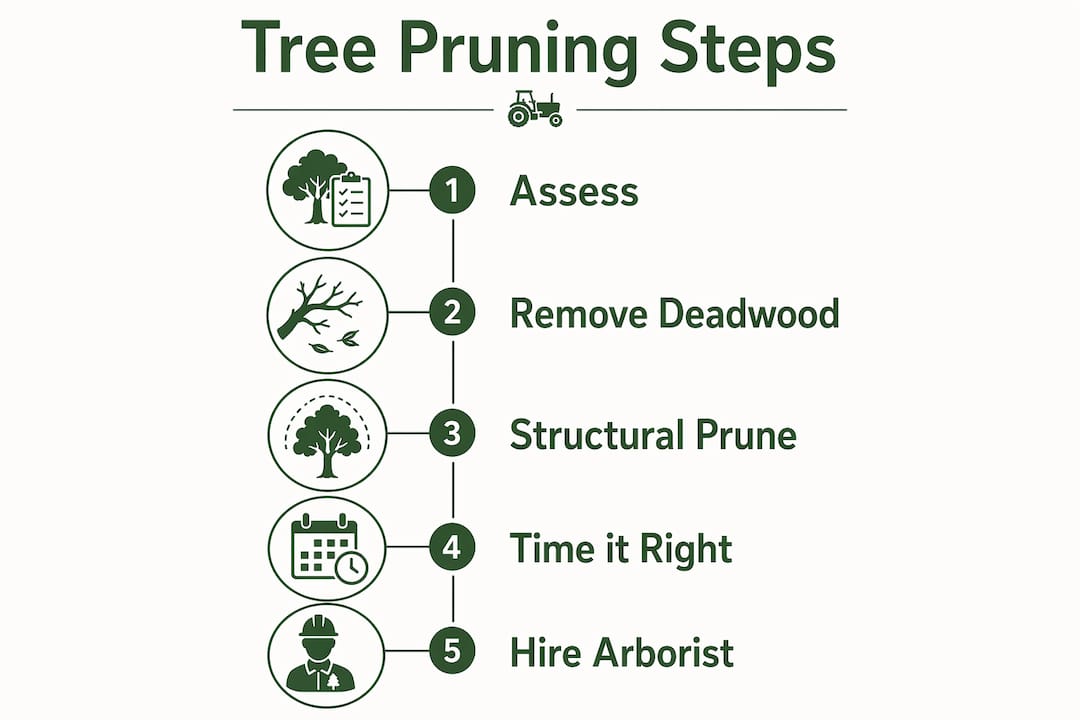
The best time for structural pruning is during the dormant season, typically late winter or early spring. Dormant season pruning minimizes sap loss and stress on trees, improving wound healing and resistance. For most trees in the Charleston Lowcountry, this means scheduling work between December and March.
There is also a firm limit on how much you should remove in a single season. Removing more than 25% of a tree’s living canopy per season causes severe stress, weakens the root system, and can trigger a decline that makes the tree more dangerous, not less. Responsible pruning stays within the 20 to 25 percent range annually.
Here is a practical timeline for hurricane season tree preparation:
- December through February: Schedule a professional tree inspection and plan structural pruning work
- February through March: Complete major structural pruning during dormancy for best wound healing
- April through May: Address any remaining dead wood removal or minor corrective cuts
- Before June 1: Confirm all pruning is complete and trees have had time to respond before storm season
- During storm season: Monitor trees after each storm event and document any new damage or changes
Pro Tip: Pruning timing also varies by species. Oaks in South Carolina, for example, should not be pruned during spring sap surge when they are most vulnerable to oak wilt. A local arborist familiar with pruning timing in your area will account for species-specific risks that a general contractor will not.
Why should you hire a certified arborist for storm pruning?
Hiring an ISA-certified arborist is the single most important decision you make in your hurricane preparedness tree care plan. Certification is not just a credential. It represents specialized training in tree biology, structural assessment, and pruning standards that a general landscaper or handyman does not have. Understanding why arborist certification matters helps you ask the right questions before anyone touches your trees.
ISA-certified arborists have specialized training to identify weak V-shaped stems and internal decay that are precursors to major tree failure. These defects are often invisible to the untrained eye. A tree can look healthy from the street while harboring significant internal rot at the base or in a major scaffold branch.
Certified arborists also carry proper equipment and insurance. Working in tree canopies with chainsaws and rigging systems is genuinely dangerous. Improper cuts made by unqualified workers can drop large limbs unpredictably, damaging your roof, fence, or utility lines. Professional equipment and training reduce that risk significantly.
There is also a financial reason to use certified professionals. Maintenance records support insurance claims after storms, according to Nationwide. If a tree falls on your home and your insurer finds evidence of neglect, your claim may be denied. Documented professional pruning by a certified arborist demonstrates that you took reasonable steps to maintain your property.
- Structural defect detection: Identifies internal decay, V-shaped unions, and root problems invisible to homeowners
- Correct cut placement: Proper pruning cuts at the branch collar promote healing and prevent decay entry
- Equipment and safety: Reduces risk of property damage and personal injury during the pruning process
- Species knowledge: Tailors timing and technique to the specific tree species on your property
- Insurance documentation: Provides a professional record of maintenance that supports claims after storm damage
Pruning vs. removal: when is cutting down the tree the right call?
Pruning is not always the answer. Some trees are too structurally compromised to be made safe through pruning alone, and attempting to prune them can give a false sense of security. Trees with extensive internal decay or poor branch attachments often require removal or mechanical support like cabling for hurricane preparedness.
The decision between pruning and removal comes down to the degree of structural compromise and the tree’s proximity to your home or other structures.
| Condition | Recommended action |
|---|---|
| Dead or dying branches, healthy structure | Pruning to remove hazard wood |
| Dense canopy, sound structure | Thinning and reduction cuts |
| V-shaped co-dominant stems, no decay | Cabling plus corrective pruning |
| Significant internal decay at trunk base | Removal recommended |
| Large dead limbs over structures | Removal or significant reduction |
| Leaning tree with exposed root plate | Removal recommended |
When a tree needs to come down, timing matters just as much as it does for pruning. Scheduling tree removal before storm season gives you control over the process. Emergency removal after a storm is more expensive, more dangerous, and sometimes impossible until conditions improve. Planning removal in winter or early spring also allows time to plant a replacement tree that will eventually provide shade and wind buffering without the structural risks of a compromised specimen.
For trees on James Island and throughout the Charleston area, large live oaks are a common concern. These trees are beautiful and ecologically valuable, but they can develop significant structural issues over decades. A professional assessment will tell you whether pruning, cabling, or removal is the right path for each individual tree on your property.
Key takeaways
Professional tree pruning, performed by ISA-certified arborists before June 1 each year, is the most effective structural measure a homeowner can take to reduce storm damage risk during hurricane season.
| Point | Details |
|---|---|
| Prune before June 1 | Complete all structural pruning before hurricane season starts to avoid rushed, dangerous last-minute cuts. |
| Limit canopy removal | Remove no more than 20 to 25 percent of living canopy per season to avoid stressing the tree. |
| Hire certified arborists | ISA-certified professionals identify hidden structural defects and document maintenance for insurance purposes. |
| Avoid topping and lion’s tailing | Both techniques increase storm vulnerability by creating weak regrowth and shifting weight to branch tips. |
| Know when to remove | Trees with significant internal decay or poor branch attachments often need removal, not pruning. |
Why I think most homeowners wait too long to act
The most common mistake I see is treating tree pruning as a reaction rather than a scheduled practice. Homeowners notice a storm forecast, look at the oak hanging over their roof, and call for emergency pruning the week before landfall. That is the worst possible scenario. Rushed pruning at storm warnings leads to poor quality cuts and increased risk, not reduced risk.
The other misconception worth addressing directly: pruning does not make trees storm-proof. Hurricane-preparedness pruning is about managing leverage and wind resistance, not eliminating all risk. A well-pruned tree in a Category 4 hurricane can still fail. The goal is to reduce the probability and severity of failure, and to remove the most predictable failure points before a storm arrives.
What actually works is building a two to three year maintenance cycle into your property calendar. Young trees benefit from structural pruning every 2 to 3 years, while mature trees typically need attention every 3 to 5 years. That rhythm, combined with annual inspections before June 1, keeps your trees in a condition where storm damage is the exception rather than the rule.
The homeowners who come out of hurricane season with the least damage are not lucky. They are the ones who scheduled their arborist in February, documented the work, and did not wait for a storm name to appear on the news.
— SEO
How Salvationlandmanagement helps you prepare before storm season
Salvationlandmanagement serves homeowners across the Charleston Lowcountry, including Charleston, Kiawah Island, James Island, Mount Pleasant, and West Ashley, with professional tree pruning, structural assessment, and tree removal services designed specifically for hurricane-prone properties. The team brings the equipment and experience needed to handle large residential trees safely and efficiently, well before storm season begins.
Whether your property needs canopy thinning on mature oaks, removal of a structurally compromised tree, or a full pre-season inspection, Salvationlandmanagement delivers reliable service with clear communication and no surprises on the final bill. Scheduling early means you avoid the spring rush and give your trees time to recover before June 1. Contact Salvationlandmanagement today to request a quote for professional tree removal or pruning services, and get your property ready before the season starts.
FAQ
How far in advance should I prune trees before hurricane season?
Complete all structural pruning by May 1 at the latest, giving trees at least four weeks to begin wound response before hurricane season starts June 1. Dormant season pruning between December and March produces the best results for tree health and wound healing.
Can I prune my own trees to prepare for a hurricane?
DIY pruning of small, low branches is manageable, but structural pruning on large trees near your home requires a certified arborist. Incorrect cuts, improper technique, and working at height without proper equipment create serious safety risks and can make trees more vulnerable to storm damage.
Does homeowners insurance cover storm damage from trees?
Coverage depends on your policy and whether the damage resulted from a tree you maintained responsibly. Documented professional pruning supports insurance claims, while evidence of a neglected hazardous tree can result in a denied claim.
What is the difference between tree pruning and tree trimming?
Pruning removes specific branches for structural health, storm resilience, and safety. Trimming typically refers to shaping for aesthetics. For hurricane preparedness, structural pruning by a certified arborist is the correct service. You can read more about the difference between the two on the Salvationlandmanagement blog.
How often should mature trees be pruned for storm resilience?
Mature trees benefit from professional pruning every 3 to 5 years, combined with annual inspections before hurricane season. Young trees need more frequent attention, typically every 2 to 3 years, to establish strong structure early.