
Stump grinding is the process of using a rotating cutting wheel to reduce a tree stump to wood chips below ground level, and the best time to schedule it after tree removal is immediately or within 2–4 weeks. That window aligns with your landscaping goals, keeps pests from moving in, and makes soil preparation far simpler. Waiting months without a plan creates real problems: rotting wood attracts termites and carpenter ants, and the soil around the stump becomes harder to work with over time. Whether you are restoring a lawn in the Charleston Lowcountry or preparing a site for new planting, timing your stump grinding correctly is the first decision that shapes everything after.
When should you schedule stump grinding after tree removal?
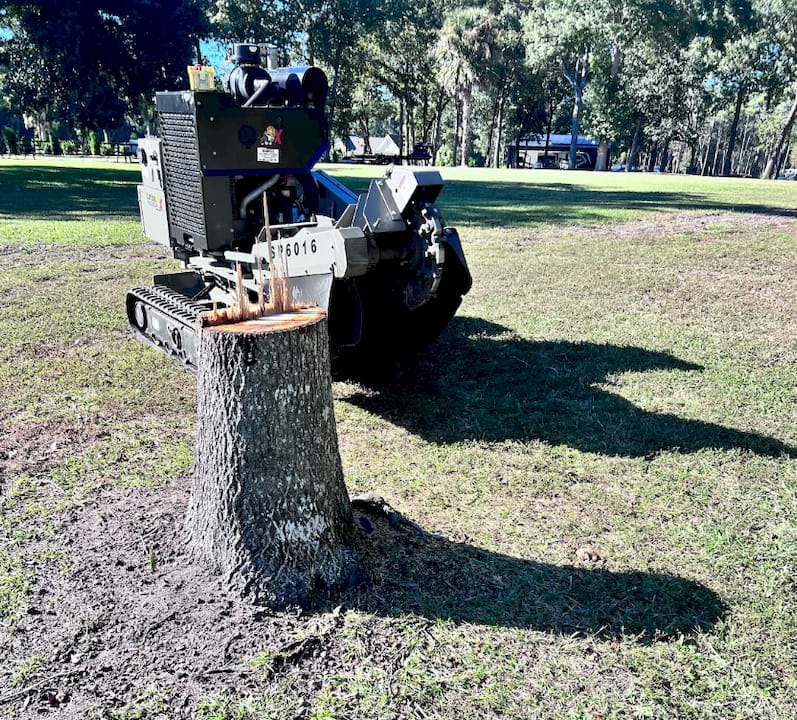
Stump grinding is defined as mechanical removal of the stump and upper root system, typically to 6–12 inches below grade. The industry term is stump removal by grinding, and it differs from chemical treatment or manual extraction. Understanding the process helps you make a smarter scheduling decision.
The grinding machine itself is large and heavy. It needs clear access to the stump, dry ground to avoid ruts, and enough clearance from fences, structures, and utility lines. Those site conditions matter as much as your calendar.
Here is what timing directly affects:
-
Equipment access: Wet or saturated soil makes it harder to position the grinder without damaging your lawn.
-
Pest risk: A lingering stump becomes habitat for termites, carpenter ants, and wood-boring beetles within weeks.
-
Soil preparation: Scheduling within 2–4 weeks simplifies soil work and lowers pest risk compared to waiting months.
-
Cost efficiency: Combining the grinder visit with the tree removal crew reduces mobilization fees.
-
Landscaping readiness: Grinding sooner means your yard gets back to normal faster.
Pro Tip: Ask your tree removal contractor to quote stump grinding at the same time. Coordinating both jobs on the same day is the most cost-effective approach because it eliminates a second equipment setup and site visit fee.
The stump itself is biologically stable for weeks or months after removal. The urgency is not biological. It is logistical and practical, driven by what you plan to do with the space.
Immediate vs. delayed: which timing is right for you?
The two most common approaches are same-day grinding and a delayed visit scheduled weeks later. Both are valid. The right choice depends on your site, your budget, and your plans for the yard.
Grinding immediately after removal is easier because the wood is fresher and the root structure is still intact and predictable. Older stumps can be partially rotted, which makes the grinding process less consistent and sometimes more time-consuming. Fresh stumps grind cleaner and faster.
| Timing Scenario | Best For | Key Advantage | Main Risk |
|---|---|---|---|
| Same day as removal | Homeowners with active landscaping plans | Lowest cost, single mobilization | Requires pre-planning with contractor |
| Within 2–4 weeks | Lawn restoration or sod installation | Soil still workable, pest risk low | Requires a second scheduling call |
| 1–3 months later | Budget-constrained homeowners | Flexibility to save funds | Partial rot, higher pest risk |
| 6+ months later | Low-priority or back-lot stumps | No urgency if area is unused | Significant rot, soil disruption |
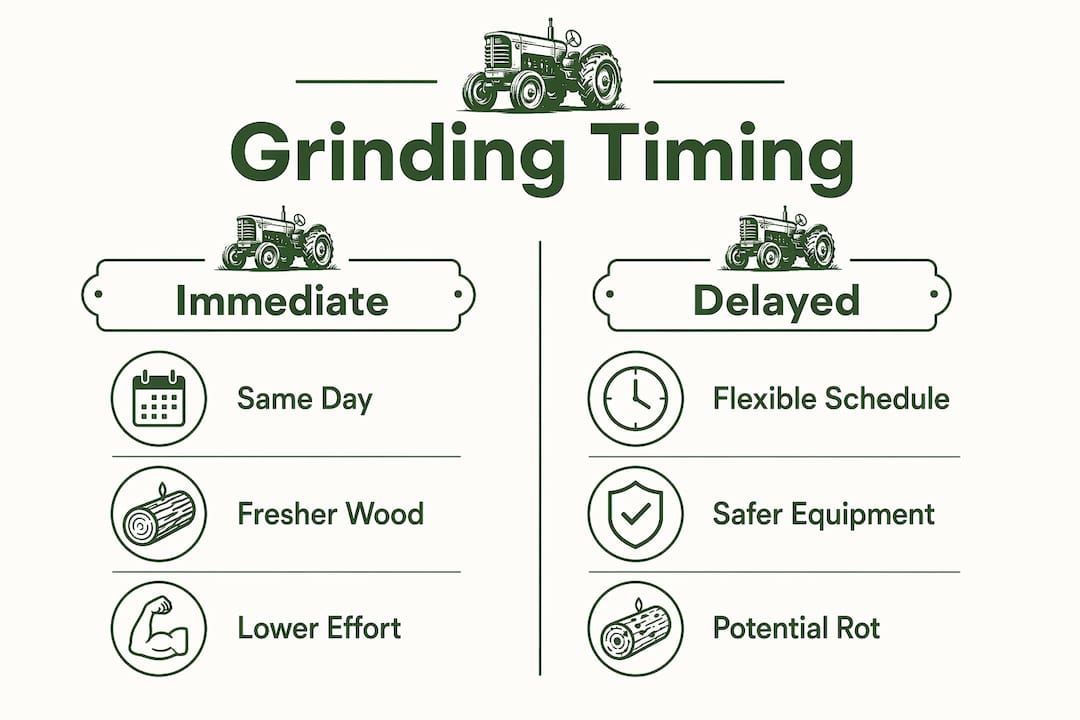
The Royal Horticultural Society notes that stump grinding is often scheduled as a separate job from tree removal for safety and equipment access reasons. That is a practical reality, not a problem. What matters is that you schedule it before the stump becomes a liability.
Leaving a stump for six months or more without a plan is where homeowners run into trouble. Rotting wood changes the soil chemistry around it, and the grinding process becomes less predictable. You also risk the stump becoming a tripping hazard or an eyesore that affects your property’s curb appeal.
Pro Tip: If your tree removal falls during a busy season, book the stump grinding appointment before the tree comes down. Crews in the Charleston area fill up fast in spring and fall, and pre-booking locks in your preferred timing.
How does season affect stump grinding scheduling?
Season is one of the most overlooked factors in stump grinding scheduling advice. The grinder itself works year-round, but site conditions vary significantly by season and directly affect the quality of the job.
The best seasons for stump grinding are dry windows in late summer, early fall, and spring. During these periods, soil is firm enough to support heavy equipment without rutting, cleanup is cleaner, and the ground is workable for immediate soil amendment after grinding.
Here is how each season affects your scheduling decision:
-
Spring: Soil is thawing and workable. Grinding in early spring sets you up for summer lawn restoration. Avoid scheduling right after heavy rain.
-
Summer: Dry summer conditions are ideal for equipment access. Heat can make cleanup harder, but the firm ground is a major advantage.
-
Fall: Early fall is the single best window for most homeowners. Soil is dry, crews are available before the holiday slowdown, and you can overseed or sod before winter.
-
Winter: Grinding is possible but not ideal. Frozen or waterlogged ground in the Charleston Lowcountry can limit equipment access and make post-grinding soil work difficult.
In the Charleston area specifically, the humid subtropical climate means wet winters and hot, humid summers. Early fall and spring are the most reliable windows for clean, efficient grinding with minimal lawn damage from equipment.
What happens to your yard after stump grinding?
Post-grinding yard restoration follows a clear sequence, and knowing the timeline prevents costly mistakes. The most common error homeowners make is planting too soon after grinding.
After the grinder finishes, the area is filled with wood chips and loose soil. Most ground settling occurs within the first 2–4 weeks. Permanent landscaping, structures, or hardscaping should be delayed 4–6 weeks to allow the soil to compact and stabilize. Skipping this wait leads to uneven ground and sunken patches in your lawn.
Here is the recommended post-grinding restoration sequence:
-
Remove wood chips (Week 1): Clear the grinding debris from the hole. Do not leave chips in place as fill material.
-
Amend the soil (Week 1–2): Chip decomposition depletes soil nitrogen, so add a nitrogen-rich amendment or topsoil before backfilling.
-
Backfill and compact (Week 2): Fill the hole with quality topsoil and tamp it down to reduce settling.
-
Reseed or sod (Week 3–6): Grass seed or sod can go down once the soil is settled and amended. Sod establishes faster and is a good choice if you need the area usable quickly.
-
Install permanent landscaping (Week 6+): Raised beds, pavers, or shrubs should wait until the ground is fully stable.
For replanting a new tree in the exact same spot, the timeline is much longer.
| Replanting Goal | Recommended Wait Time | Reason |
|---|---|---|
| Grass seed or sod | 3–6 weeks | Soil needs to settle and nitrogen levels stabilize |
| Shrubs or perennials | 6–8 weeks | Root competition from decomposing old roots |
| New tree in same spot | 6 months to 1 year | Soil chemistry and root decomposition require full recovery |
The 6-month to 1-year wait for new trees is not arbitrary. Decaying roots from the old tree compete with new root systems and alter soil chemistry in ways that stress young trees. Planting too early results in poor establishment and often tree failure.
Pro Tip: After removing the wood chips, send a soil sample to your local Clemson Extension office for a nutrient analysis. The results tell you exactly what amendments to add before replanting, which saves money on guesswork and improves your success rate significantly.
You can also consult a stump grinding scheduling guide specific to Charleston residential properties for local soil and climate considerations.
Key takeaways
Scheduling stump grinding within 2–4 weeks of tree removal is the most practical approach for homeowners who want clean soil, lower pest risk, and a faster path to lawn restoration.
| Point | Details |
|---|---|
| Grind within 2–4 weeks | Prompt grinding lowers pest risk and simplifies soil preparation for replanting. |
| Same-day grinding saves money | Combining grinding with tree removal eliminates a second mobilization fee. |
| Fall and spring are ideal seasons | Dry, firm soil in these windows gives equipment better access and cleaner results. |
| Wait 4–6 weeks before landscaping | Ground settling after grinding requires time before permanent structures or plantings. |
| New trees need 6–12 months | Soil chemistry and root decomposition must stabilize before planting a tree in the same spot. |
What i have learned about stump grinding timing
Most homeowners ask about stump grinding timing after the tree is already down and the crew has left. That is the most common and most avoidable mistake I see. By that point, you are booking a second mobilization, paying a separate setup fee, and often waiting weeks for an available crew slot.
The conventional wisdom says “grind it whenever you get around to it.” That advice ignores the real cost of delay. A stump sitting for three months in a humid climate like Charleston is not just an eyesore. It is a termite invitation and a soil problem waiting to happen.
The homeowners who get the best results are the ones who treat stump grinding as part of the tree removal project, not an afterthought. They book both services together, confirm the grinding appointment before the removal day, and have a clear plan for what goes in that space afterward.
One thing I consistently see underestimated is the post-grinding wait time. People want to reseed immediately. The site settling process takes 4–6 weeks, and rushing it produces sunken, uneven patches that require rework. Patience in that window pays off in a lawn that looks right the first time.
If you are working with a tree removal contractor who does not offer stump grinding, ask them to coordinate with a grinding crew before they start. A good contractor makes that call for you. If they cannot, that tells you something about the level of service you are getting.
— SEO
Ready to schedule stump grinding in charleston?
Salvationlandmanagement serves homeowners and landowners across the Charleston Lowcountry with professional stump grinding, tree removal, and land clearing. The team coordinates grinding with tree removal on the same visit whenever possible, saving you time and money on separate mobilizations.
Whether you need a single stump removed from a residential yard or a full site cleared for development, Salvationlandmanagement brings the right equipment and experience to get it done correctly. The team covers Charleston, Mount Pleasant, James Island, Johns Island, and surrounding communities. Explore land clearing services in Charleston or contact Salvationlandmanagement directly to schedule a site visit and get a clear quote for your property.
FAQ
How soon after tree removal should i grind the stump?
Stump grinding can happen immediately after tree removal or within a few weeks without strict urgency. Grinding within 2–4 weeks is recommended if you plan to landscape or replant the area.
Does it cost more to grind a stump separately from tree removal?
Yes. Scheduling stump grinding as a separate job adds a mobilization fee for equipment transport and setup. Combining both services on the same day is the most cost-effective approach.
What is the best season for stump grinding?
Late summer, early fall, and spring are the best seasons because dry, firm soil gives equipment better access and makes post-grinding cleanup easier.
How long should i wait to plant grass after stump grinding?
Wait 3–6 weeks after grinding before reseeding or laying sod. The soil needs time to settle and nitrogen levels need to stabilize after wood chip removal.
Can i plant a new tree in the same spot after grinding?
New trees planted in the same spot should wait 6 months to 1 year. Decaying roots and altered soil chemistry from the old tree can prevent healthy establishment if you plant too soon.